How To Create A Stunning Plant Bed In Minutes Or Less
Title: How to Create a Stunning Plant Bed in Minutes or Less
Introduction:
Do you want to add some beauty and color to your yard, but you don't have a lot of time? If so, you're in luck! Creating a stunning plant bed doesn't have to take hours. In fact, you can do it in minutes or less.
In this blog post, I will show you how to create a beautiful and low-maintenance plant bed that will add a touch of elegance to your home. I'll also share some tips on how to choose the right plants for your climate and how to care for your plant bed so that it will thrive for years to come.
Main Content:
Step 1: Choose a location.
The first step is to choose a location for your plant bed. You'll want to choose a spot that gets plenty of sunlight, but not too much direct sunlight. You'll also want to make sure that the area is well-drained.
Step 2: Prepare the soil.
Once you've chosen a location, you'll need to prepare the soil. The soil should be loose and well-drained. If the soil is too heavy, you can add some compost or sand to improve drainage.
Step 3: Add a weed barrier.
A weed barrier will help to prevent weeds from growing in your plant bed. You can use a sheet of landscape fabric or a layer of cardboard.
Step 4: Add plants.
Now it's time to add plants to your bed! When choosing plants, be sure to consider the amount of sunlight the area gets and the climate in your area. You'll also want to choose plants that will complement each other in terms of color and height.
Step 5: Add mulch.
Mulch will help to retain moisture in the soil and suppress weeds. You can use a variety of materials for mulch, such as wood chips, bark chips, or leaves.
Step 6: Water and care for your plant bed.
Once you've added your plants, be sure to water them regularly. You'll also need to fertilize your plants every few months.
Conclusion:
Creating a stunning plant bed doesn't have to be difficult or time-consuming. By following these simple steps, you can have a beautiful and low-maintenance plant bed in minutes or less.
I hope this information has been helpful. If you would like to learn more about plant beds, I recommend visiting Home Gardening. This website has a wealth of information on all aspects of plant beds, including how to build them, what plants to grow in them, and how to care for them.
FAQ of plant bed
- What is a plant bed?
A plant bed is a raised area of ground that is specifically prepared for growing plants. It can be made of wood, brick, stone, or other materials. Plant beds are often used to improve drainage and aeration, and to control weeds.
- What are the benefits of using a plant bed?
There are many benefits to using a plant bed, including:
* Improved drainage and aeration: Plant beds allow water to drain more easily, which helps to prevent root rot and other plant diseases. They also allow air to circulate more freely around the roots, which helps to promote healthy growth.
* Control of weeds: Plant beds can help to control weeds by making it more difficult for them to germinate and grow. The raised sides of the bed also make it easier to weed around plants.
* Increased yields: Plant beds can often produce higher yields than in-ground gardens. This is because the soil in a plant bed is typically more fertile and well-drained.
* Easier access: Plant beds are often easier to access than in-ground gardens. This is because they are raised off the ground, which makes it easier to reach plants and to perform tasks such as weeding and watering.
- What are the different types of plant beds?
There are two main types of plant beds: raised beds and in-ground beds.
* Raised beds: Raised beds are typically 12-18 inches high and 3-4 feet wide. They can be made of wood, brick, stone, or other materials. Raised beds are a good option for gardeners who have poor soil or who want to improve drainage and aeration.
* In-ground beds: In-ground beds are simply areas of ground that have been prepared for growing plants. They are not raised off the ground, but they can be improved by adding compost or other organic matter to the soil. In-ground beds are a good option for gardeners who have good soil and who do not want to build a raised bed.
- How do I build a plant bed?
Building a plant bed is a relatively easy project that can be completed in a few hours. Here are the basic steps involved:
1. Choose a location for the bed. The bed should receive full sun and be in an area that is not prone to flooding.
2. Measure and mark the area where the bed will be located.
3. Dig out the soil to the desired depth.
4. Add compost or other organic matter to the soil.
5. Build the sides of the bed.
6. Fill the bed with soil.
7. Plant your favorite plants!
- What are some tips for caring for a plant bed?
Here are some tips for caring for a plant bed:
* Water your plants regularly, especially during the first few weeks after planting.
* Mulch around your plants to help retain moisture and suppress weeds.
* Fertilize your plants according to their needs.
* Weed your plant bed regularly.
* Protect your plants from pests and diseases.
Image of plant bed
10 different images of plant beds that are free to use:
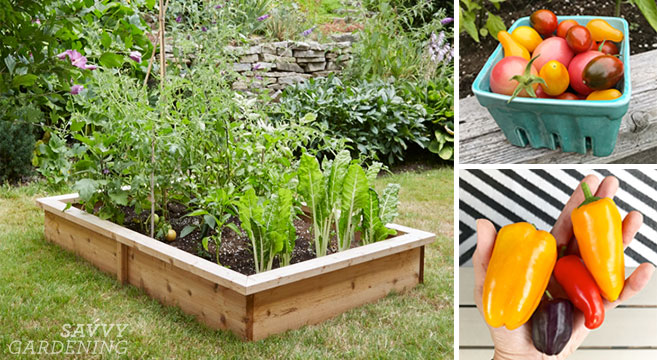
- A raised bed garden made of wood.

- A border bed with a mix of flowers and shrubs.
- A rock garden with succulents and cacti.
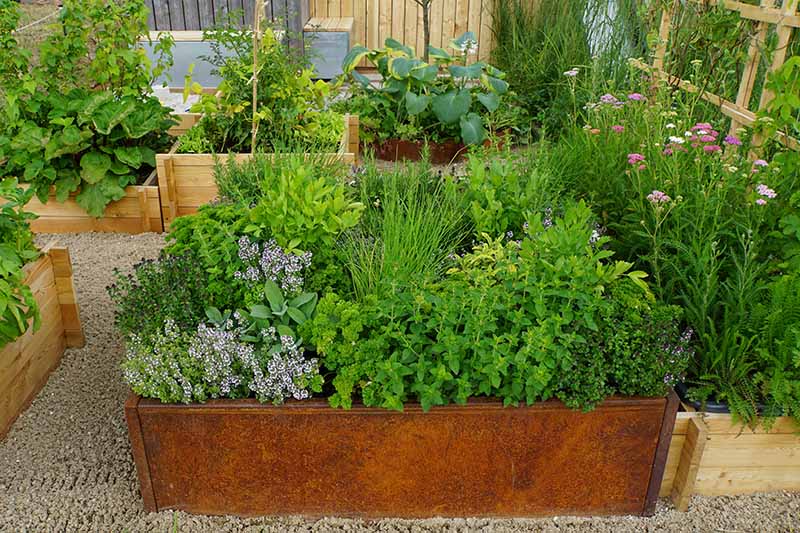
- A container garden with herbs and vegetables.

- A butterfly garden with nectar-rich plants.
- A vegetable garden with rows of tomatoes, cucumbers, and beans.
- A herb garden with a variety of herbs for cooking and medicinal purposes.
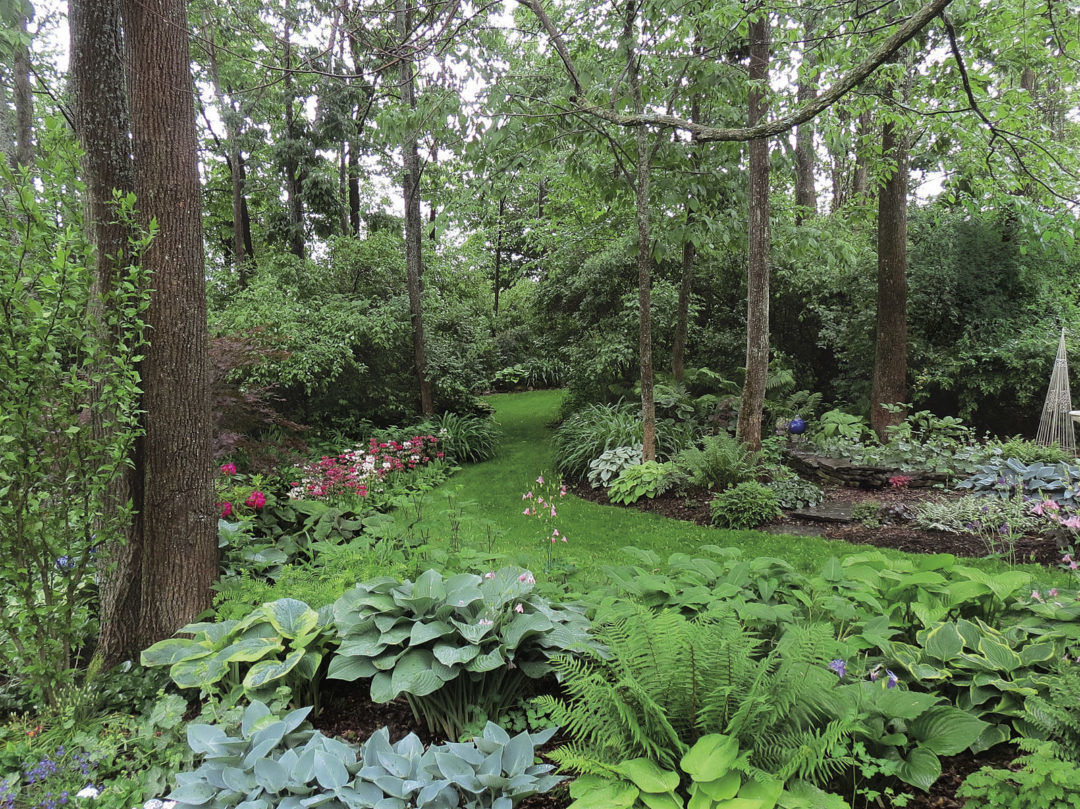
- A woodland garden with native plants.
- A water garden with a pond and water plants.

- A fairy garden with miniature plants and decorations.


Post a Comment for "How To Create A Stunning Plant Bed In Minutes Or Less"